Everyone thinks there is one single paved path to success: go to college, choose what you want to study, build a career, make money, and retire. Students are often expected to decide what they want to do for the rest of their lives so early in their academic careers, and uncertainty or change signal failure. The expectation is clear: know who you are going to become before you have fully figured out who you are.
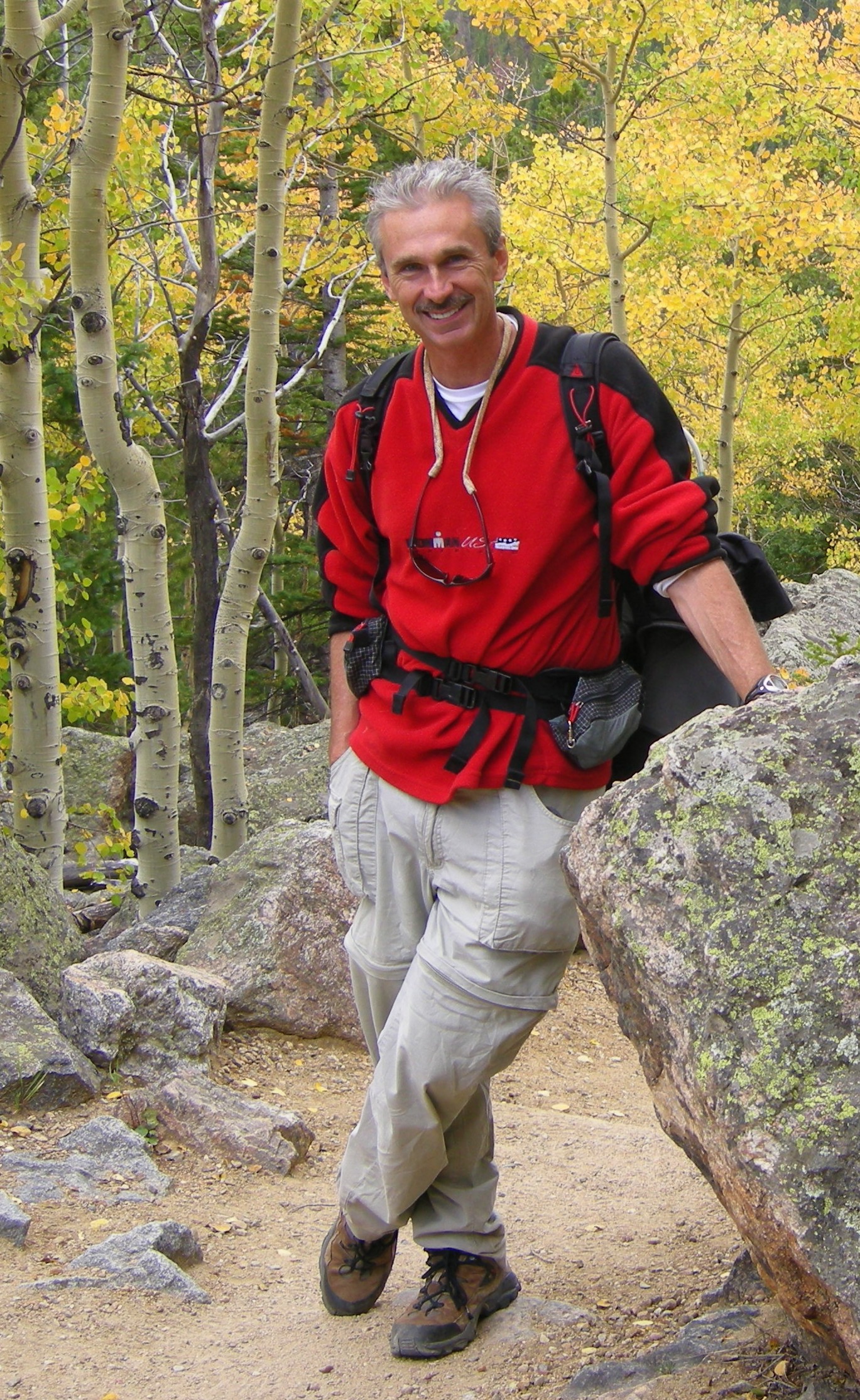
Professor Steven Anderson’s journey tells a different story.
Before he became a geology professor and sailing oceans with Semester at Sea, he began college as a pre-med student convinced medicine was his only future. Growing up in Wisconsin, he always knew he liked science, but he did not know many careers that existed within it. “The only real science career I knew about that made money was becoming a doctor,” he explains. So going into pre-med simply felt like the obvious choice.
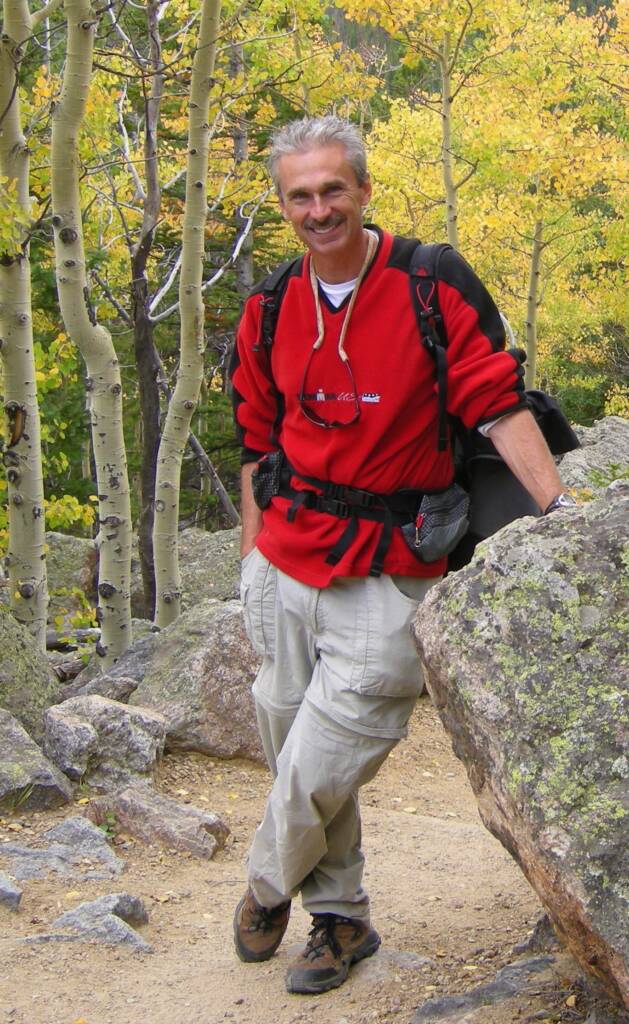
At first, this path felt straightforward. Anderson took chemistry and biology courses and also worked with the athletic department helping tape ankles and assisting the sports teams.
Then, one single moment shifted his whole life. When a player suffered a serious injury in front of him during a game, he had a sudden realization. “That was my wake-up call,” he recalls. “I didn’t want to be anywhere near that.”
Walking away from the pre-med track was not easy. Anderson had told everyone in his life he planned to be a doctor, and changing direction felt like admitting failure, “I worried people might think I quit because I wasn’t smart enough.”
Instead of forcing himself on a path that no longer felt right, Anderson began exploring. He took courses in different areas, searching for something that felt more natural. Then he enrolled in a geology class. The connection was just immediate. “Within five minutes of my first geology lecture, I knew that was it,” he says. “I looked at my professor and thought, ‘This guy just totally changed the course of my life. That’s exactly what I want to do.’”
From that point on, geology became his focus. By his senior year, he landed an internship studying volcanic activity at Mount St. Helens while it was still erupting. That experience further confirmed that he had made the right decision.
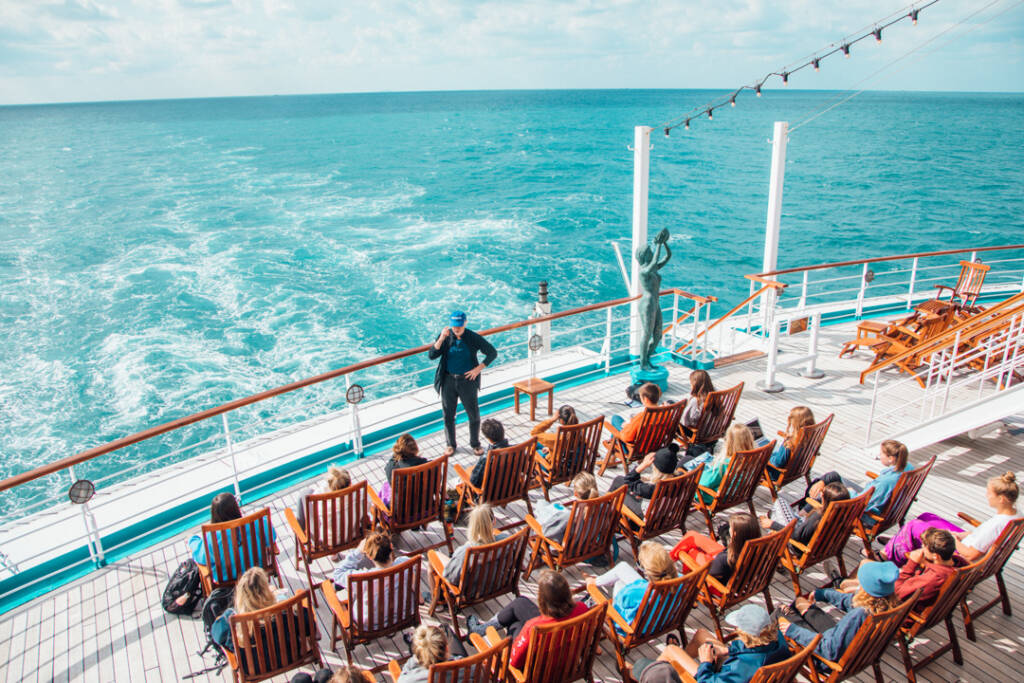
Now, as he is teaching geology and sustainability on Semester at Sea, Anderson sees the same pressure in students that he once felt in his college days. Many worry about choosing the “right” major too quickly. “Most students don’t even know what’s out there,” he says.
Instead, he encourages his students to explore all options early in college. “Take a lot of classes your first year. Get an education, and let a career fall out of it.”
Over time, Anderson’s own idea of success has also shifted. Earlier in his career, he focused on accomplishments: degrees and more tangible milestones. Now, he sets value in experiences more. Traveling the world studying active volcanoes and teaching students changed how he sees both education and life.
Looking back, he sometimes laughs at where his path has taken him. If his younger self could see him now, traveling the world while teaching students, his reaction would be simple: “Holy shit. You get paid to do that?”
Anderson’s career is proof that the paved path is not the only one worth following. Sometimes the most meaningful direction is the one you discover after allowing yourself the grace to change course.
Ines Azoy-Parravano is the Global Journalism Fellow for the Spring 2026 Semester at Sea Voyage. She attends the University of Michigan, Ann Arbor and her writing typically explores topics related to energy equity, climate justice, and global social change.