Studying abroad on a ship might sound pretty different from the traditional study abroad experience. So, how does Semester at Sea actually work?
Over the course of a 100+ day voyage, you’ll live and learn aboard a traveling college campus while earning a full semester of course credits. On Sea Days, you’ll learn alongside professors and fellow Voyagers. In port, the places you visit become part of that education.
From life aboard the ship to learning around the world, here’s how Semester at Sea turns a voyage into a semester unlike any other.
College Courses and Global Travel: The Semester at Sea Model
Unlike a traditional campus semester, Semester at Sea rotates between days at sea and stays in port, where voyagers explore new cultures and encounter different perspectives through:
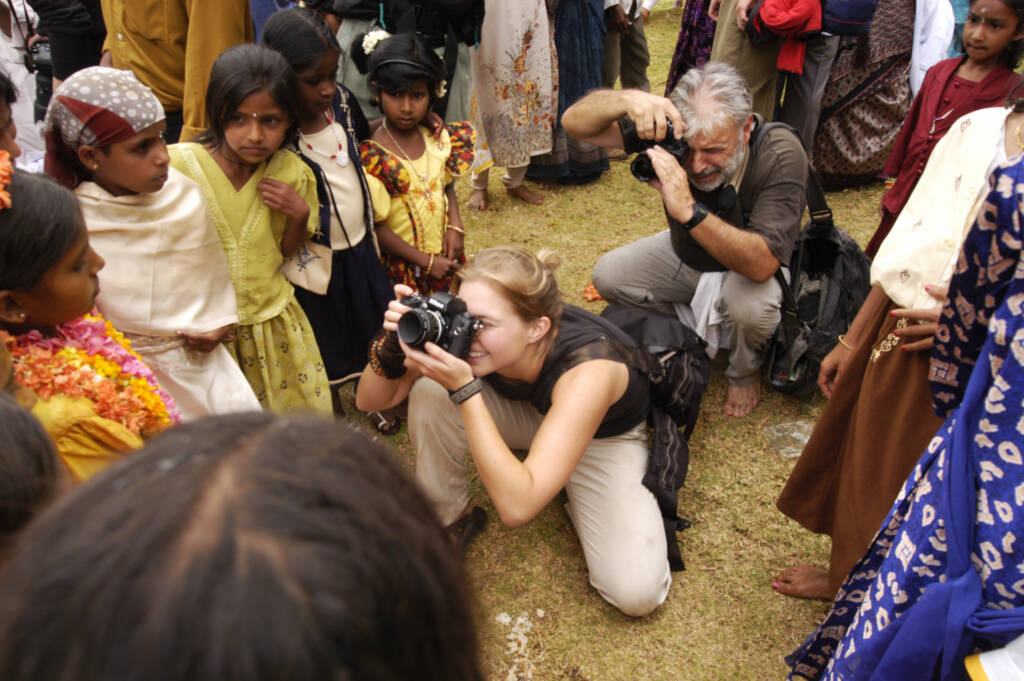
- Field Classes: Take your learning beyond the ship through faculty-led experiences that connect course content to each destination.
- Field Programs: Choose from optional educational experiences offering deeper insight into the culture, history, or communities of each destination.
- Personal Travel: Use designated time in port to explore independently or with a group, with the flexibility to pursue your own interests.
The curriculum is built around four distinct pillars: Learn, Experience, Compare, and Integrate. Together, they help you connect what you learn in class with what you experience around the world, giving you new ways to understand different cultures and perspectives.
Your coursework follows the voyage itinerary, allowing you to learn more about the countries you’re preparing to visit. Once on land, you’ll get to experience those places firsthand and connect what you’ve learned in class with the people, places, and cultures around you. Each destination gives you a new perspective to bring back to the classroom and carry into your next experience.
Semester at Sea Classes, Credits, and Academic Requirements
You might be wondering how you can experience other countries and cultures without putting your academic plans on hold. Semester at Sea makes it possible by building your courses around the voyage itself. What you learn on the ship connects to the places you visit, so your time in port becomes part of your education.
Voyagers typically take 12–15 credits, including the required Global Studies course. With more than 70 course options each voyage, you can choose between upper- and lower-division undergraduate courses, all of which are accredited. That learning extends beyond the ship with in-country experiences that connect coursework to local people, organizations, and cultures.
Before choosing your courses, check what’s available for your specific voyage and talk with your home institution about how your credits will transfer. Credits and transcripts are issued by the academic partner associated with your voyage: Colorado State University for Fall 2027 and earlier voyages, and the University of San Diego for Spring 2028 and later voyages.
What a Typical Day at Sea Looks Like
What’s a typical day like for a Semester at Sea voyager? On Sea Days, your schedule might feel surprisingly familiar. You’ll go to class, work on assignments, grab meals with friends, and take part in shipboard activities once your coursework is finished.
Voyagers follow alternating A and B class days while the ship travels between destinations. Classes meet nearly every day at sea, including Saturdays and Sundays, so Sea Days work much like school days on a traditional campus. Outside of class, ship life gives you plenty of ways to spend your time. You can choose to spend your time studying, catching up on reading, or engaging with peers and shipboard activities. Depending on your interests, your days at sea can be as social and active as you want them to be.
Living and Learning Aboard the MV World Odyssey
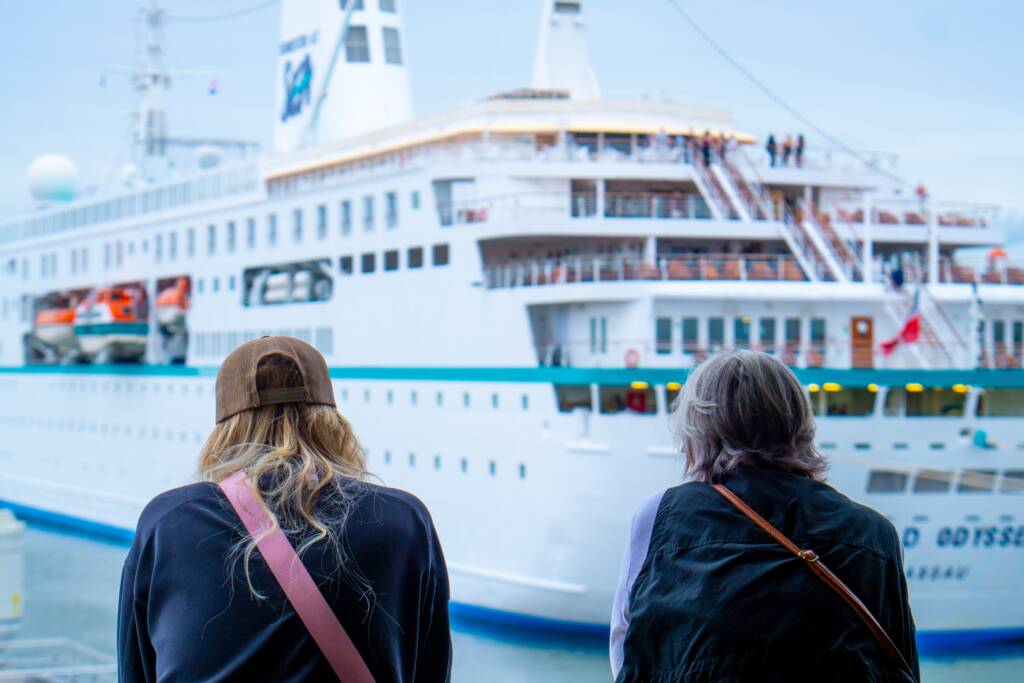
The MV World Odyssey becomes your campus, home, and classroom all-in-one. Living where you learn isn’t all that different from living on a traditional college campus, but life on a ship comes with a few added benefits, like incredible sunsets and nights spent stargazing at sea.
As you travel from one destination to the next, you’ll share the experience with fellow students, professors, and lifelong learners, giving you plenty of opportunities to learn from the people around you. The ship is designed to support your academic work and daily routines with:
- Nine classrooms
- A library/Academic Success Center
- Dining halls and gathering spaces
- Fitness areas, a pool, and wellness resources
- Cabins with storage, a mini-refrigerator, a bathroom, linens, towels, and regular cleaning
You’ll also have access to shipboard technology to complete coursework and submit assignments. Resources include a file-sharing system, print management, a learning management system, direct messaging, and an intranet information site. Wireless Internet is available in most areas of the ship, although bandwidth can vary while you’re at sea. Staying flexible is part of shipboard life, and the crew works to provide as much access as possible through the shared network.
Life aboard Semester at Sea also gives you plenty of opportunities to step outside your comfort zone. You can try something new, get involved, or attend evening seminars and programs. You’ll be living alongside people of different ages and backgrounds who bring their own experiences to the voyage. Taking the time to listen and learn from one another can become just as much a part of your semester as the places you visit.
How Field Classes Connect Coursework With Travel
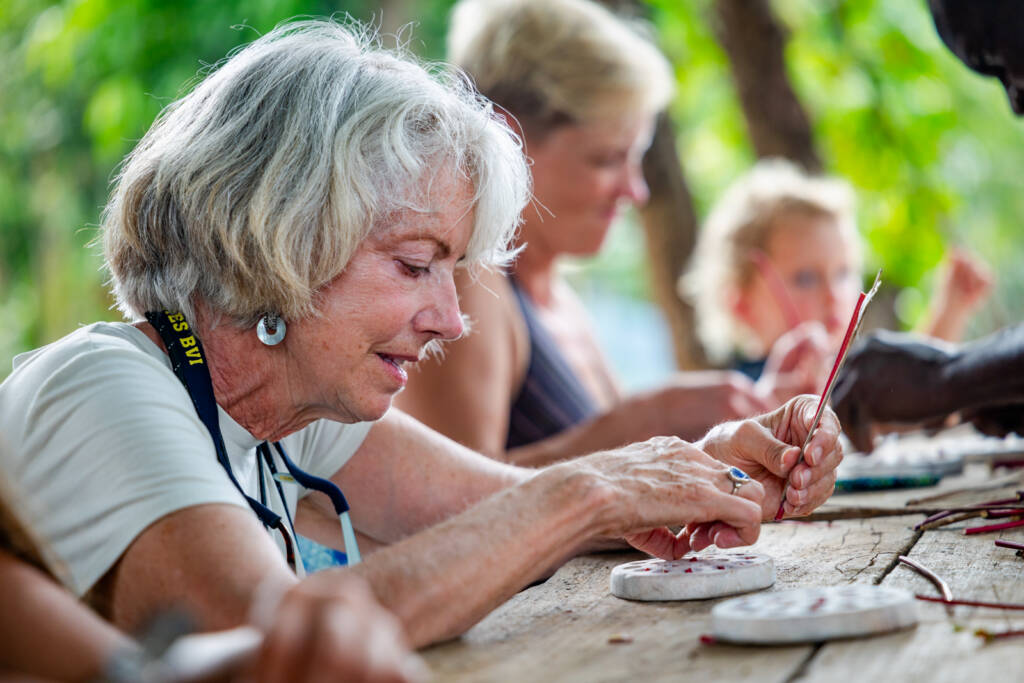
Required Field Classes and optional Field Programs take place on In-Port days. The ship typically stays docked for four to six days, giving you time to explore while using it as your home base. During these In-Port days, required Field Classes give you the chance to take ideas from your courses into the communities you’re visiting. In the spirit of discovery, you’ll immerse yourself in the community to learn from local people and organizations, then bring what you learned back to your classes on the ship.
For Kristina Benbrooks, a first-generation college student from northern Nevada studying to become a pediatric occupational therapist, that meant seeing her future career from a new perspective. During her “Disability Across the Lifespan and Culture” Field Class, Kristina visited a school serving students with disabilities. She observed the classroom and participated in a one-on-one pediatric occupational therapy session.
The experience helped Kristina see connections between what she was learning abroad and the work she hoped to do back home.
“It was kind of that moment where I realized that this is really what I want to do, and I may be across the world right now, but these practices are very similar to how I have observed sessions in the US,” Kristina explains. “So, it’s really cool to see how at the end of the day, kids are still kids, learning is still learning, and that was a really revolutionary moment for me. I think that Field Class demonstrated what Semester at Sea is all about and you can learn so much in these experiences.”
Experiences like Kristina’s show how a Field Class can make what you’re learning feel real. You get to see course concepts in a new setting and return to the ship with experiences that can shape how you think about your studies and your future.
Planning for a Semester at Sea Voyage
Before setting sail, there are a few practical details to consider. Space aboard the ship is limited, so it’s important to pack strategically. You should consider luggage restrictions, the range of climates you’ll encounter, cultural dress expectations, and the ship’s European-style electrical outlets.
Budgeting for your personal expenses and in-country travel is important beyond what is included in the program fee. Meals aboard the ship are included, but food in port, souvenirs, and optional experiences are additional expenses. If you’re feeling thrifty, spend a day exploring the in-port city with friends. There are so many amazing places to visit that won’t cost you anything.
Our alumni are a great source of information for how to best navigate a Semester at Sea, and they’ve shared a number of things they wished they knew before sailing.
Semester at Sea is an experience you won’t soon forget. It’s a global education that connects full-time coursework with in-country learning, and you’ll come away with a knowledge of cultures you might not otherwise have encountered in a traditional setting. If this sounds like an adventure you can’t pass up, check out our upcoming itineraries and course offerings to determine whether living and studying aboard a ship fits your academic goals.
Ready to see where a semester at sea could take you?